

How to prevent dry skin after showering?
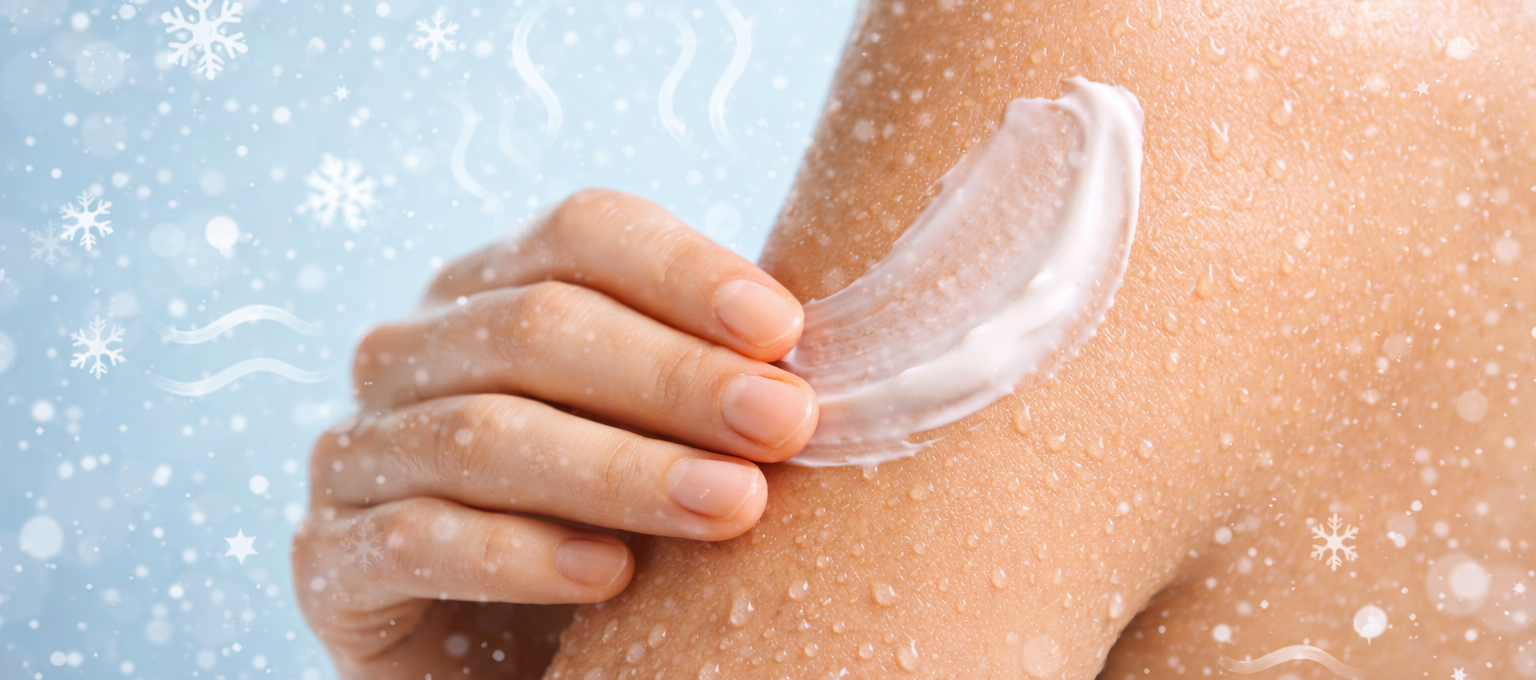
Dry Skin After a Shower: How to Adjust Your Winter Routine
-
- Updated:
- 0 Comments
That familiar feeling: you step out of the shower and instead of comfort, your skin feels tight, dry, or even itchy. The body wash promised hydration, yet your skin is already asking for cream before you’ve even reached for a towel.
In winter, this happens especially often. And it’s not because you have “bad skin” — it’s because the cold season really does change the rules of your usual routine.
Let’s take a closer look at what’s worth adjusting so your shower can feel comforting again, not like a daily fight with dryness.
Why skin gets dry after a shower in winter
Water on its own doesn’t moisturize the skin — in fact, it can make dryness worse.
This is especially true in winter, when:
- indoor air becomes dry due to heating;
- the skin barrier is weakened by cold weather and temperature changes;
- we tend to choose hot showers “to warm up.”
Hot water combined with harsh body cleansers washes away the skin’s natural lipids that help retain moisture. As a result, water evaporates quickly — and the skin can end up even drier than it was before the shower.
Step 1. Rethink the water temperature
Hot water feels great, but your skin doesn’t agree.
- In winter, warm — not hot — water is the best choice.
- The longer and hotter the shower, the more the skin’s protective barrier is disrupted.
A small tip:
During the last 30 seconds of your shower, switch to slightly cooler water. This can help reduce moisture loss.
Step 2. Choose a gentle body cleanser
In the colder months, the skin on your body needs just as gentle cleansing as the skin on your face.
Look for:
- mild surfactants;
- formulas with glycerin, betaine, or panthenol;
- creamy or oil-based textures;
- pH-neutral or slightly acidic cleansers.
Classic high-foaming body washes are better left for summer. If your skin is dry, it’s best to avoid them altogether in winter.
Step 3. How you dry your skin matters
Rubbing your skin with a towel is an automatic habit — but in winter, it works against you.
- Pat your skin dry instead of rubbing.
- The best time to apply body cream is when the skin is still slightly damp.
It may seem like a small detail, but it really affects how comfortable your skin feels after showering.
Step 4. Apply cream right after showering
One of the most common winter mistakes is delaying moisturization.
In the first 3–5 minutes after a shower, your skin is most vulnerable to moisture loss.
That’s when it needs cream — not later, when tightness has already set in.
What to use in winter
Cold-weather formulas work best when they combine:
🔹 Humectants — attract moisture
- glycerin
- urea (in low concentrations)
- betaine
🔹 Emollients — soften the skin
- squalane
- oils
- triglycerides
🔹 Occlusives — lock moisture in
- waxes
- balms
- rich, creamy textures
If you prefer a lightweight lotion, that’s perfectly fine. Consistency matters more than texture.
When cream isn’t enough
If after showering you notice:
- itching;
- flaking;
- skin reacting even to water;
this is a sign that the skin barrier is significantly weakened.
In this case, it’s worth:
- shortening your showers (you don’t necessarily need to shower less often — gentler and shorter is more important);
- removing scrubs and active ingredients from your routine;
- choosing simple, soothing, fragrance-free formulas;
- adding barrier-repair SOS products.
If dryness is accompanied by cracks, pain, or bleeding, it’s best to consult a dermatologist.
Small winter habits that really help
- avoid hot showers “just to warm up”;
- keep your body cream in the bathroom so you don’t forget to use it;
- use a humidifier indoors;
- remember: the skin on your body needs just as much care as the skin on your face.
Dry skin after a shower in winter isn’t something you have to accept as normal.
Warm water, gentle cleansing, and applying cream right after showering can bring comfort back to your skin.


Leave a Comment